Fungus threatens food and human health, researchers argue
A looming public health crisis may be spreading from Britain’s fields to its hospitals, a experts -which include University of Manchester scientists- have warned — with common farm chemicals potentially fuelling deadly infections .
The group, backed by House of Lords peer Baroness Natalie Bennett, say the UK urgently needs a new national strategy to tackle fungal antimicrobial resistance — a growing and often overlooked threat to human health, food production and the environment.
In a new paper published in Nature NPJ Antimicrobials and Resistance, they reveal how widespread use of fungicides in agriculture could be undermining life‑saving medicines used to treat patients.
Calling for sweeping changes, including a powerful cross-government body to coordinate action, they argue for a nationwide system to monitor resistance in both the environment and clinics, and stricter regulation of fungicides linked to resistance.
Dr Michael Bottery, co-author of the study from The University of Manchester, said: “Fungal resistance is a silent and underestimated threat. The same substances helping to protect crops are also reducing the effectiveness of essential medicines. If we fail to act, we risk losing critical treatments and putting lives at risk.�
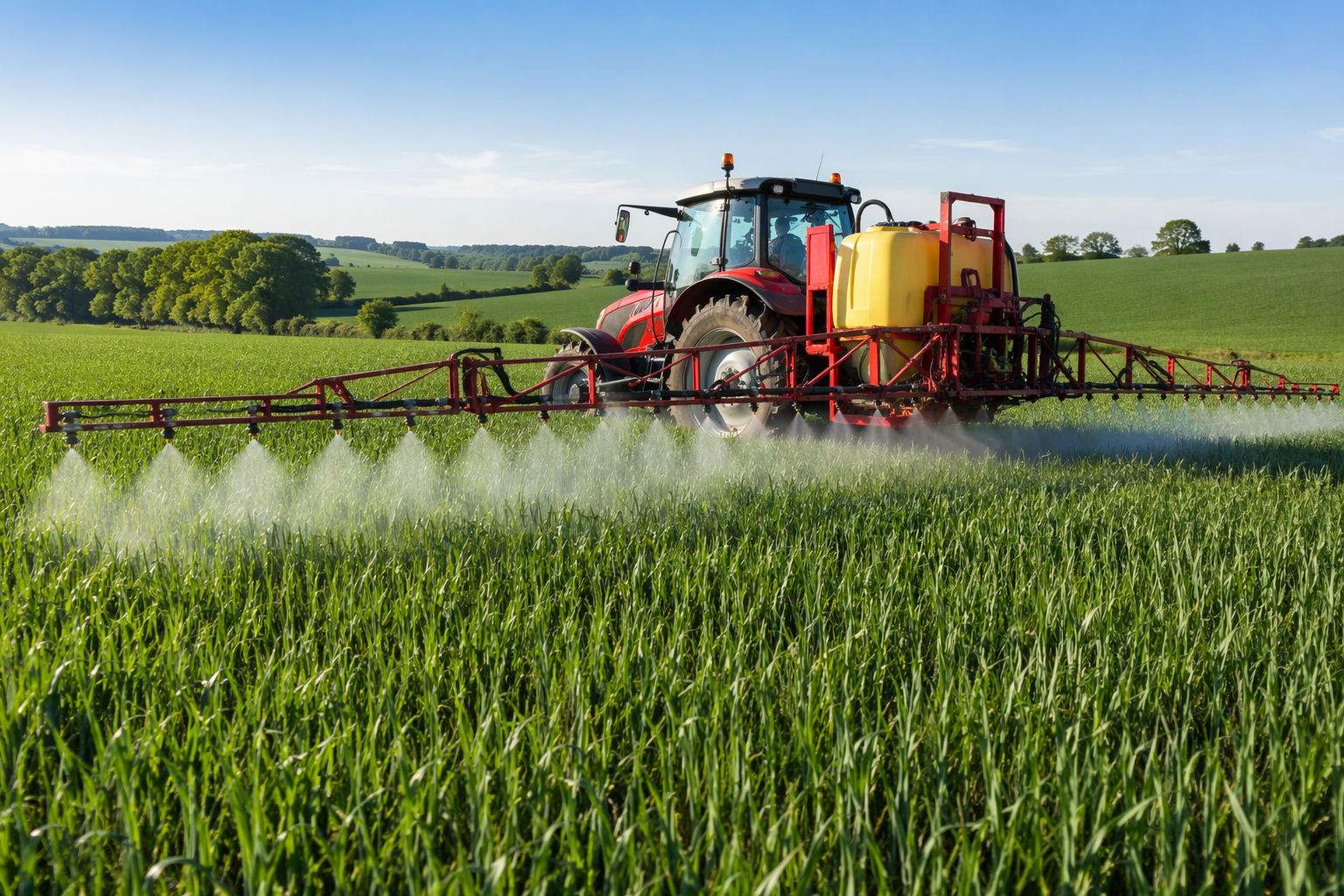
The concern centres on so‑called “dual-use� fungicides — chemicals used in both medicine and farming. In the UK, these are applied to around 94 per cent of arable crops, exposing fungi in the environment to the same compounds relied upon in hospitals.
Over time, this exposure allows fungi to evolve and develop resistance, making infections harder to treat when they infect humans. Some resistant strains have already been detected in clinical settings, raising fears that treatments could become increasingly ineffective.
Fungal resistance is a silent and underestimated threat. The same substances helping to protect crops are also reducing the effectiveness of essential medicines. If we fail to act, we risk losing critical treatments and putting lives at risk
Fungal infections already pose a major global threat, killing an estimated 2.5 million people each year. They disproportionately affect vulnerable patients, including those undergoing chemotherapy, organ transplants, or intensive care treatment.
Despite this, researchers warn that the UK’s current response is fragmented, with responsibility split between agriculture, healthcare and environmental regulators, and limited coordination between them.
They argue that without better surveillance, dangerous resistance trends may go unnoticed until it is too late. More coordinated data-sharing, they say, could allow earlier intervention and more effective policymaking.
Speaking in parliament Baroness Bennett added that tackling the issue requires recognising the close links between human health, farming and ecosystems.
Dr Bottery added: “Without urgent action, the UK risks sleepwalking into a crisis that could threaten not only public health, but also food security, as resistance undermines crop protection and agricultural productivity.�
The full paper, “Addressing the Dual-Use of Antifungals and Fungal Antimicrobial Resistance (fAMR) through a One Health Approach�, is open-access and .
- The image was created with AI